
Transportation fleet management involves far more than keeping vehicles fueled and ready for the road. Modern fleets often include a wide range of assets, from commercial trucks and trailers to recreational vehicles, specialized utility equipment, rail systems, and even aviation resources. Each type of equipment has its own maintenance needs, compliance requirements, operating conditions, and service schedules. Managing those moving parts effectively requires access to dependable support services that help reduce downtime, improve safety, and extend the useful life of expensive equipment.
For businesses that depend on transportation assets, even a single breakdown can disrupt schedules, delay deliveries, increase labor costs, and affect customer expectations. Preventive maintenance and access to specialized service providers can help fleet managers respond before smaller problems develop into larger operational setbacks. The most effective transportation strategies therefore combine routine inspections, emergency support, cleaning, repairs, asset replacement planning, and professional guidance into one coordinated system.
Maintaining Rail-Based Transportation Assets
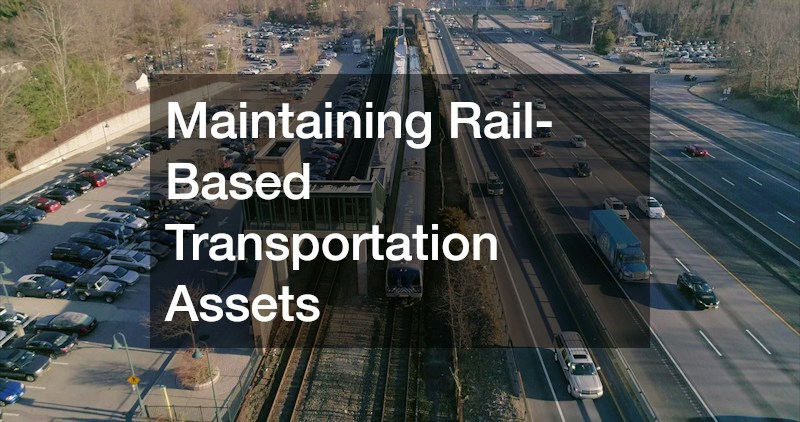
Rail systems continue to support major portions of freight transportation, manufacturing, agriculture, and industrial logistics. Unlike passenger vehicles, rail infrastructure must support extremely heavy loads while remaining dependable across long distances and changing weather conditions. Tracks, switches, crossings, and related components require regular inspections to identify wear, movement, damage, or deterioration before those issues interfere with operations.
A professional railway service can assist companies responsible for private rail lines, industrial sidings, loading facilities, and other track infrastructure. Routine maintenance may include track alignment, tie replacement, switch servicing, vegetation management, drainage improvements, and inspections of critical components. Businesses that rely on rail transportation should incorporate these services into a broader preventive maintenance program rather than waiting for visible deterioration or service interruptions.
Fleet managers responsible for multimodal transportation operations should also coordinate rail schedules with truck, warehouse, and loading operations. Better communication between transportation modes can reduce idle time and prevent bottlenecks when goods transfer from one system to another.
Responding Quickly to Commercial Truck Breakdowns
Commercial trucks often operate on tight schedules and cover long distances, which makes unexpected mechanical problems especially disruptive. A truck that breaks down on a delivery route can affect drivers, dispatchers, customers, loading schedules, and other vehicles assigned to the same operation.
Access to mobile semi repairs can reduce the need to tow every disabled vehicle to a repair facility. Mobile technicians can often diagnose and address common mechanical, electrical, brake, tire, and trailer issues at the location where the vehicle becomes disabled. This can be particularly useful for fleets that operate across large service territories or during hours when traditional repair shops may not be available.
Fleet managers can improve emergency preparedness by maintaining updated contact information for service providers in the areas where vehicles regularly travel. Drivers should also know the company’s procedures for reporting breakdowns, documenting warning lights, describing mechanical symptoms, and identifying their exact location. Consistent reporting allows technicians to arrive better prepared and helps management track recurring mechanical issues across the fleet.
Managing Recreational and Specialty Towable Equipment
Not every transportation fleet consists entirely of delivery trucks or commercial vans. Businesses in tourism, recreation, hospitality, construction, and mobile services may operate towable equipment that requires its own maintenance strategy. An rv trailer, for example, contains structural, electrical, plumbing, wheel, tire, brake, and towing components that can all affect safe operation.
Organizations that use recreational trailers for mobile offices, temporary lodging, event support, or customer rentals should create inspection schedules based on mileage, age, usage, and storage conditions. Tires may deteriorate even when a trailer is not driven frequently, while seals, roofs, batteries, and electrical connections can be affected by long periods of storage.
Managers should also consider how specialty trailers are loaded and transported. Improper weight distribution can affect stability, braking, tire wear, and the performance of the tow vehicle. Documenting load limits and inspection requirements gives drivers a consistent process to follow before moving equipment.
Keeping Vehicles Clean and Easier to Inspect
Vehicle cleaning is sometimes viewed primarily as an appearance issue, but it also contributes to fleet maintenance. Dirt, road salt, oil, chemicals, and other contaminants can accumulate on vehicles and equipment, making it harder to detect corrosion, leaks, cracks, or damaged components.
Scheduled fleet washing helps maintain a more professional appearance while supporting routine inspections. Clean surfaces allow maintenance teams to identify fluid leaks, loose components, body damage, and corrosion more easily. This is especially important for vehicles that operate in winter conditions, construction areas, industrial facilities, or environments where mud and chemicals are common.
Fleet managers should determine washing frequency based on vehicle use rather than relying on a single schedule for every asset. Vehicles exposed to road salt may require more frequent cleaning than equipment used primarily on paved local routes. Cleaning procedures should also account for decals, sensors, cameras, electrical connections, and specialized equipment mounted to the vehicle.
Planning for Heavy Vehicle Recovery
Even fleets with strong preventive maintenance programs will occasionally experience collisions, mechanical failures, weather-related incidents, or vehicles that become stuck. Recovery planning is particularly important when dealing with large commercial vehicles because standard towing equipment may not be sufficient.
A heavy duty towing service has equipment designed to recover and transport larger vehicles such as tractor-trailers, buses, construction equipment, and heavy commercial trucks. Fleet managers should identify providers capable of handling their largest vehicles before an emergency occurs. Waiting until a vehicle is disabled can make it difficult to evaluate service capabilities, coverage areas, and availability.
Emergency recovery procedures should include driver safety instructions, communication protocols, insurance documentation, cargo considerations, and steps for notifying customers when delays are expected. Businesses transporting refrigerated goods, hazardous materials, or time-sensitive freight may also need contingency plans for transferring cargo to another vehicle.
Supporting Smaller Utility Vehicles
Transportation fleets are not always limited to road-legal vehicles. Warehouses, resorts, campuses, golf courses, industrial facilities, event venues, and large commercial properties often depend on smaller vehicles for moving people, supplies, and equipment over short distances.
Routine golf cart repairs may involve batteries, tires, brakes, steering systems, suspension components, electrical connections, charging systems, and accessories. Although these vehicles are smaller than commercial trucks, an unexpected failure can still interfere with daily operations when carts are used for maintenance, security, transportation, or customer service.
Managers should treat smaller utility vehicles as legitimate fleet assets by assigning identification numbers, documenting service dates, and tracking operating hours or mileage where possible. Preventive care can be especially important for battery-powered equipment because charging practices, battery age, and storage conditions significantly influence reliability.
Choosing Trailers for Different Operational Needs
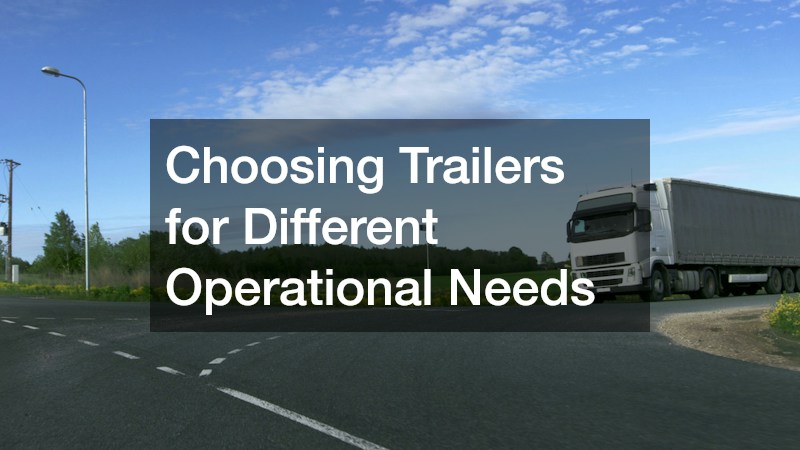
Trailers expand the capabilities of a transportation fleet by allowing companies to move tools, materials, products, vehicles, and equipment without purchasing a specialized truck for every purpose. Selecting the correct trailer design is important because cargo weight, security, weather exposure, loading methods, and towing requirements vary considerably.
Enclosed trailers are commonly used when cargo needs protection from weather, theft, or road debris. They can support contractors, service businesses, event companies, equipment suppliers, mobile operations, and many other industries. Because the cargo area is enclosed, these trailers may also be customized with shelving, tie-down systems, workstations, lighting, or specialized storage.
Fleet managers should regularly inspect trailer tires, wheel bearings, brakes, safety chains, lights, wiring, doors, ramps, roofs, and hitch components. Trailer maintenance is sometimes overlooked because trailers may not have engines or odometers, but failures involving tires, brakes, or couplers can create serious roadside problems.
Maintaining Waste and Collection Operations
Waste management vehicles experience demanding operating conditions. Frequent stops, heavy loads, hydraulic equipment, residential routes, commercial pickups, and exposure to debris all contribute to mechanical wear. Reliable service schedules are essential because missed collections can quickly affect customers and route planning.
A dependable garbage pickup service relies on both vehicle availability and effective routing. Fleet managers in sanitation operations must balance maintenance schedules with collection calendars so enough vehicles remain available each day. Spare vehicles can provide additional flexibility when a truck requires unexpected service.
Route data can also help managers identify areas where vehicles experience excessive idling, repeated stops, or longer-than-expected travel times. Reviewing this information can reveal opportunities to improve routing, reduce fuel consumption, and distribute workload more evenly among vehicles.
Extending the Life of Recreational Vehicles

Businesses that own recreational vehicles for tourism, rentals, hospitality, event operations, or mobile services face maintenance challenges that differ from traditional commercial fleets. These vehicles often combine automotive systems with living-space components such as plumbing, refrigeration, heating, air conditioning, electrical systems, appliances, roofs, and slide-outs.
Regular RV repair can address both vehicle-related issues and problems involving the coach or living area. Preventive inspections may include checking roof seals, batteries, tires, generators, brakes, electrical connections, plumbing lines, and appliances. Water intrusion deserves particular attention because small leaks can cause significant interior damage when they remain unnoticed.
Seasonal storage also requires planning. Vehicles that remain unused for long periods should be prepared properly to protect batteries, plumbing systems, tires, fuel systems, and interior components. Maintaining detailed records allows managers to identify recurring problems and determine whether continued repairs remain cost-effective as vehicles age.
Using Expert Guidance for Aviation Operations
Aviation assets operate within a highly specialized environment involving maintenance standards, regulatory requirements, aircraft values, operating costs, ownership structures, and safety considerations. Businesses considering aircraft purchases, fleet changes, operational restructuring, or technical evaluations may need specialized knowledge beyond traditional vehicle fleet management.
An aviation consultant can provide guidance on aircraft selection, valuations, operational planning, technical matters, market conditions, maintenance considerations, or other aviation-related decisions. Depending on the situation, consultants may work with corporate flight departments, aircraft owners, financial organizations, attorneys, insurers, or aviation businesses.
For organizations operating multiple forms of transportation, aviation should be incorporated into broader asset planning while still being managed according to its specific regulatory and technical requirements. Clear documentation and access to appropriate expertise can help decision-makers evaluate costs, risks, and long-term operational needs.
Building a Preventive Maintenance Strategy
Preventive maintenance is one of the most important elements of modern fleet management. Instead of treating every mechanical issue as an isolated problem, managers can use maintenance histories to identify patterns across vehicles and equipment. Tracking repair frequency, downtime, mileage, operating hours, and parts replacement can reveal when certain assets are becoming increasingly expensive to maintain.
Digital fleet management platforms can simplify this process by storing service records, inspection forms, fuel data, driver reports, registration information, and maintenance reminders in a centralized system. Automated alerts can notify managers when inspections, oil changes, tire rotations, brake checks, or other services are due.
However, technology is only useful when employees consistently enter accurate information. Drivers and equipment operators should be trained to document warning lights, unusual noises, leaks, tire problems, braking changes, and other symptoms as soon as they appear. Early reporting gives maintenance teams more time to address problems before they cause roadside failures.
Reducing Downtime Through Better Coordination
Downtime affects nearly every aspect of transportation operations. When a vehicle is unavailable, managers may need to reassign drivers, reschedule deliveries, rent replacement equipment, or delay customer commitments. Reducing downtime therefore requires coordination between dispatch, maintenance, drivers, service providers, and management.
One useful approach is to schedule routine maintenance during natural periods of lower demand. Fleet managers can review delivery schedules, seasonal workloads, and vehicle utilization data to determine when specific assets can be removed from service with minimal disruption.
Maintaining relationships with several types of specialized service providers also improves flexibility. A company may need one provider for roadside truck repairs, another for towing, another for trailers, and another for specialty equipment. Keeping those relationships established before an emergency can shorten response times when problems occur.
Using Data to Guide Replacement Decisions
Eventually, every fleet asset reaches a point where replacement becomes more practical than continued repair. Age alone should not determine that decision. Managers should consider repair frequency, operating costs, fuel efficiency, downtime, safety performance, availability of replacement parts, and whether the equipment still meets current business needs.
Total cost of ownership provides a more complete view than purchase price alone. A less expensive vehicle may become costly over time if it requires frequent repairs or consumes significantly more fuel. Likewise, older equipment may still be valuable when it remains reliable and inexpensive to maintain.
Maintenance records can help managers identify trends before making capital investment decisions. If several similar vehicles begin experiencing the same expensive repairs, the company may decide to replace those units gradually rather than waiting for multiple failures to occur at once.
Creating a More Resilient Transportation Operation
Modern transportation fleets are increasingly diverse, and successful management requires more than a single maintenance solution. Rail assets, commercial trucks, recreational vehicles, trailers, sanitation vehicles, utility carts, and aviation equipment each require specialized knowledge and support. The common objective is maintaining dependable equipment while minimizing unexpected disruptions.
Businesses can strengthen fleet reliability by combining preventive inspections, detailed service records, driver reporting, emergency recovery plans, cleaning schedules, specialized repair providers, and data-based replacement strategies. These practices allow fleet managers to respond more effectively when equipment needs attention while also identifying problems before they interfere with operations.
Transportation assets represent significant investments, and their performance directly affects scheduling, customer service, employee productivity, and operating costs. A coordinated approach to maintenance and support services helps organizations protect those investments, manage downtime, and keep vehicles and equipment available when they are needed most.