
Choosing a marine service provider is an important decision for boat owners who need reliable support for maintenance, repairs, equipment purchases, and seasonal preparations. The right business can make it easier to manage these responsibilities by offering relevant services, knowledgeable staff, and access to appropriate products. However, not every marine business has the same capabilities. Some specialize in mechanical repairs, while others provide equipment sales, boat storage, surface restoration, or facility access.
Before choosing a provider, consider the specific needs of your vessel and the types of services you may require in the future. Look beyond advertising and compare each business’s experience, available resources, service policies, and communication practices. Asking detailed questions can help you understand what a provider offers and whether its capabilities align with your expectations. Taking time to evaluate these factors can help you establish a productive relationship with a marine business that supports your boating activities.
Evaluate the Provider’s Range of Marine Services
Start by identifying the services you need and determining whether a prospective provider can accommodate them. A business with several complementary offerings may simplify maintenance and project planning, particularly if you regularly need mechanical work, equipment, or seasonal assistance. However, a broad service list does not automatically indicate that every service is performed in-house.
Ask which jobs the business handles directly and whether specialized work is referred to outside contractors. If you need engine maintenance or purchasing assistance, for example, find out whether the provider operates as a full service outboard dealer. Ask about the engine brands, parts, and service options available, along with the types of vessels the business accommodates.
When comparing providers, consider:
- The range of maintenance and repair services offered
- Whether technicians handle specialized work on-site
- Availability of replacement parts and marine equipment
- Experience with your boat type and engine configuration
- Options for ongoing maintenance and future projects
A provider’s ability to support several aspects of boat ownership can be valuable, but the quality and relevance of those services should guide your decision.
Check the Quality of Materials and Available Products
If your boat needs structural repairs, upgrades, or custom improvements, ask about the materials a marine business supplies. Material selection should reflect the project’s purpose, the vessel’s construction, and the conditions the finished work will encounter. A provider should be able to explain the available options and help you understand which products are appropriate for your plans.
Ask whether the business carries marine lumber in the dimensions and types you need. You should also find out whether staff can recommend compatible fasteners, fittings, and other marine lumber accessories.
Before purchasing, consider these details:
- Available material sizes and specifications
- Intended applications for different products
- Compatibility with existing boat components
- Whether specialty items must be ordered
- Product availability and expected delivery times
Do not assume that materials are interchangeable simply because they appear similar. Ask questions about product specifications and intended uses before committing to a purchase. A knowledgeable supplier should be able to explain the differences between available options without pressuring you toward a particular product.
Compare Preparation Methods Before Scheduling Surface Work
Surface preparation can have a major effect on the results of restoration and refinishing projects. Before scheduling work, ask how the provider evaluates existing coatings, corrosion, residue, and surface damage. The preparation process should be based on the material being treated and the condition of the affected area, rather than a standard procedure applied to every vessel.
For projects involving sandblasting services, discuss which surfaces can be treated and what precautions the business takes to protect nearby components. Ask how technicians control debris, prepare the work area, and handle the surface after blasting. You should also understand whether additional cleaning or treatment is required before painting or applying another finish.
Useful questions include:
- How do you determine the appropriate preparation method?
- Which materials and components can be treated?
- What protection is used for surrounding equipment?
- What happens after the preparation work is complete?
- Are cleanup and disposal included in the estimate?
Request a clear explanation of the work involved before approving the project. Understanding the preparation process helps you compare providers based on the actual services included, not simply the advertised price.
Review the Process for Painting and Finishing Boats
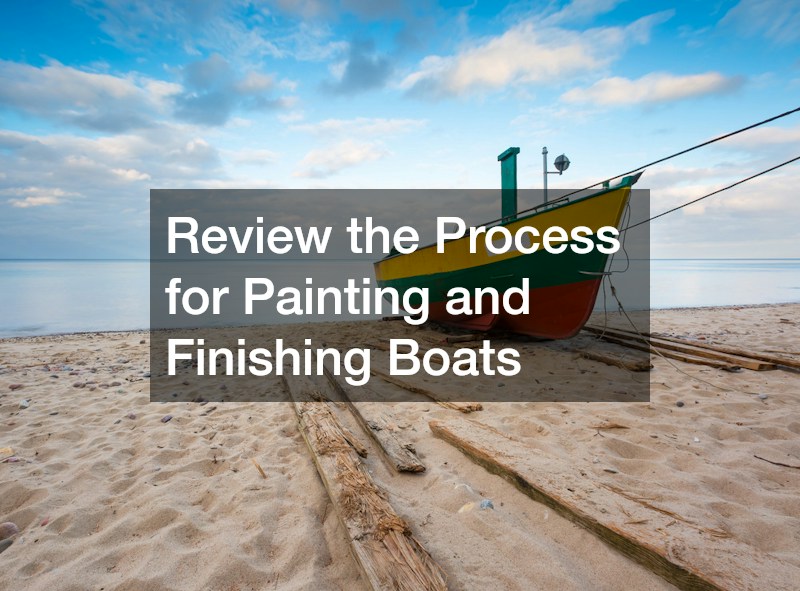
A boat’s finish is both a visible part of its appearance and an important consideration when planning maintenance. If you are comparing providers for a boat painting service, ask how the business evaluates the existing surface before recommending a particular approach. The condition of the boat, previous coatings, and areas requiring attention can all influence the scope of work.
Find out whether the provider handles preparation, masking, coating application, and final inspection. Ask which products are available and how the business determines their suitability for your vessel. You should also discuss the expected schedule, including preparation time and any periods when the boat must remain out of service.
Before choosing a provider, review:
- Whether surface preparation is included
- Which coating options are available
- How surrounding hardware and components are protected
- What areas are included in the proposed work
- How the finished project is inspected
Ask for an itemized estimate that separates included services from optional work. If possible, review examples of comparable projects completed by the business. This gives you a clearer understanding of its workmanship and helps you establish realistic expectations before scheduling.
Assess the Provider’s Approach to Mechanical and Equipment Repairs
Mechanical problems can affect how reliably you use your boat, so evaluate a provider’s diagnostic process before authorizing repairs. Ask whether technicians have experience with the systems installed on your vessel and whether the business has the equipment needed to identify problems accurately. A provider should be willing to explain its findings and distinguish necessary repairs from optional recommendations.
Specialized systems may require capabilities beyond routine engine maintenance. If your vessel uses hydraulic equipment, ask whether the business offers hydraulic service and which components it can inspect, diagnose, or repair. Find out whether replacement parts are available and whether certain jobs require outside assistance.
When discussing mechanical work, look for:
- An explanation of the suspected problem
- A written estimate before repairs begin
- Clear information about replacement parts
- Approval procedures for additional work
- Updates if the scope or timeline changes
Avoid approving a repair based only on a brief description of the symptoms. Ask what the technician found and why the proposed work is necessary. Clear communication helps you understand the service being performed and gives you a better basis for evaluating the estimate.
Find Out How the Business Handles Trailer Maintenance
Your boat trailer deserves attention when evaluating a marine service provider. A trailer that is not maintained appropriately can create complications when transporting, launching, or retrieving your vessel. Ask whether the business works with your trailer type and can inspect the components relevant to its condition and operation.
When discussing boat trailer repairs, find out which services are available and whether the provider can handle the specific issue you have noticed. Explain any unusual sounds, visible damage, or changes in how the trailer moves. These details can help technicians determine what to inspect, although a proper evaluation is still necessary before deciding on repairs.
Ask the provider about:
- Inspection of relevant trailer components
- Availability of replacement parts
- Experience with your trailer configuration
- Estimated repair time and scheduling
- Whether follow-up checks are recommended
Request a written explanation of the identified problems and proposed work. If parts need to be ordered, ask how that may affect the completion date. Understanding the repair process before scheduling can help you plan around transportation needs and avoid unexpected delays.
Compare Seasonal Preparation and Storage Options
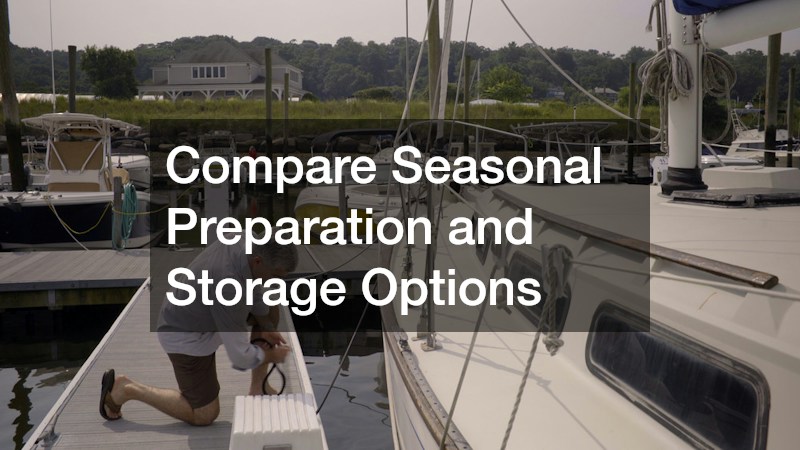
Seasonal maintenance is easier to manage when you understand what a provider offers and when appointments should be scheduled. Ask how the business prepares boats for periods of limited use and whether its services accommodate your vessel’s engine and equipment.
When comparing boat winterization services, request a description of the work performed and ask whether the process varies according to the boat’s configuration. Find out whether the provider also offers storage or coordinates with a separate facility. If storage is available, review the arrangements, access policies, and any additional charges.
Consider these questions:
- What tasks are included in winterization?
- Are different engine types accommodated?
- When should seasonal service be scheduled?
- Is storage available through the business?
- Which services involve separate charges?
Schedule seasonal work with enough time to discuss your requirements and confirm availability. Do not assume that every winterization package includes the same tasks. Reviewing the service details beforehand helps you compare providers accurately and plan for the period when your boat will not be in regular use.
Evaluate Docking Availability and Facility Convenience
A convenient docking location can make regular boating activities easier to coordinate. If you need a place to keep your vessel, ask whether the marine business offers dock slip rentals and what arrangements are available.
Availability is only one part of the decision. You should also understand the dimensions of the available slips, any vessel restrictions, and whether the facility provides features that matter to you. Ask about parking, utility access, security arrangements, and any additional charges that may not be included in the advertised rental rate.
Before committing, review:
- Slip dimensions and vessel requirements
- Rental duration and renewal policies
- Access hours and facility rules
- Parking and available amenities
- Additional fees and payment terms
Ask whether maintenance or other services can be coordinated while your boat is at the facility. This may be convenient if the business also provides repairs or seasonal preparation. Read the rental agreement carefully and confirm the specific slip arrangement before making plans.
Examine Equipment Options and Installation Support
Purchasing marine equipment requires more than comparing product prices. You need to understand whether the equipment is appropriate for your vessel, where it will be installed, and what additional work may be involved.
If you’re considering a boat lift for sale, ask about the models available and how their capacities and configurations relate to your boat. Discuss installation requirements, operating features, and ongoing maintenance. Find out whether the business performs installation or works with qualified professionals who can complete the job.
Before making a purchase, review:
- Equipment specifications and capacity
- Compatibility with your vessel
- Installation requirements and costs
- Product availability and delivery timelines
- Maintenance needs and support options
Request a complete estimate that accounts for the equipment and any related installation work. A lower purchase price may not reflect the total project cost if additional components or professional installation are required. Comparing the full scope of the purchase can help you make a more informed decision.
Choose a Provider That Communicates Clearly and Supports Long-Term Needs

Service capabilities matter, but communication can shape your experience just as much. Pay attention to how a business responds to questions, explains recommendations, and provides information about scheduling. A provider should be willing to discuss the work in terms you can understand and give you a clear picture of what to expect.
Before authorizing a project, review the estimate and confirm the services included, expected timeline, payment terms, and procedures for approving additional work. Ask how the business communicates if technicians discover an unexpected problem or a delay affects the original schedule.
Use this checklist when comparing providers:
- Relevant experience with your vessel and equipment
- Appropriate tools, materials, and service capabilities
- Clear estimates and realistic project timelines
- Written service details and transparent policies
- Responsive communication throughout the project
- Options for future maintenance and repairs
A provider that understands your needs and communicates consistently can be a useful resource beyond a single repair. Consider whether the business can accommodate your changing requirements as you maintain, upgrade, and use your boat.
Choosing a marine service provider requires careful consideration of the products, facilities, and services available. Start by identifying your immediate needs, then compare businesses based on their experience, equipment, material options, and ability to handle specialized work. Ask detailed questions about estimates, preparation methods, repair procedures, seasonal services, and installation support.
It is also worth considering how a business communicates and handles ongoing customer needs. Clear estimates, realistic scheduling, and straightforward explanations can make projects easier to manage from the initial consultation through completion. Rather than choosing solely on price or convenience, evaluate the full scope of what each provider offers.