
Operating a modern industrial facility requires balancing daily throughput with long-term infrastructure health. Whether overseeing a manufacturing plant, a regional fulfillment center, or a multi-tenant warehousing park, operational success depends on synchronized maintenance schedules, fleet readiness, waste mitigation, and site safety. A single broken dock component, uncollected waste pile, or unserviced conveyor can create a bottleneck that impacts downstream partners and compromises safety standards. To keep operations moving smoothly, facility leaders must maintain an actionable, categorized checklist that spans core site services, fleet maintenance, material handling equipment, and compliance protocols.
Core Property Management and Infrastructure Protocols
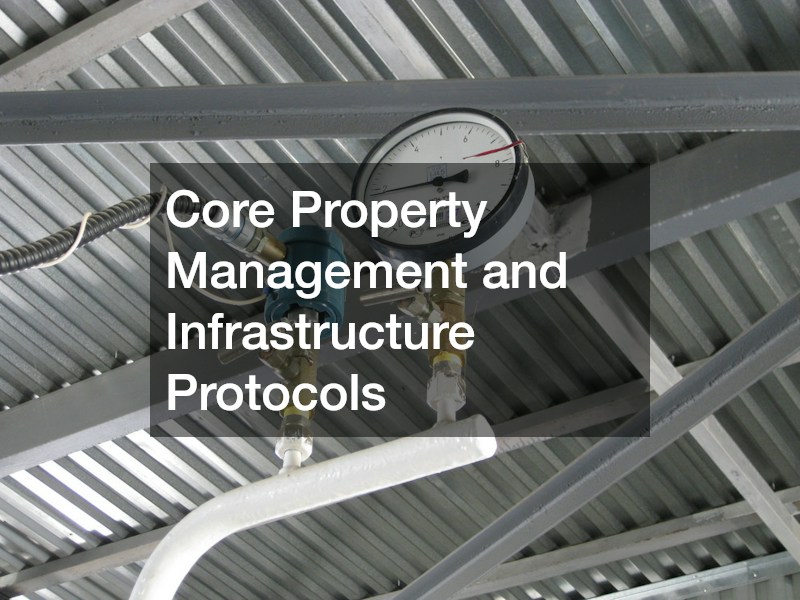
Building integrity and grounds management form the baseline for all site operations. Regular inspections prevent minor structural wear from escalating into costly repairs or operational downtime. Effective property management involves routine assessments of building envelopes, foundational elements, HVAC networks, and surrounding lot surfaces to maintain safety and efficiency.
Property managers must regularly inspect roofing materials, drainage channels, gutters, and downspouts for obstructions or leaks. It is equally critical to evaluate parking lots, loading bays, and access roads for asphalt degradation, potholes, or drainage issues that could compromise transport vehicles. Facilities personnel should maintain clear perimeter sightlines by clearing overgrown vegetation near loading bays and perimeter fencing. Finally, facility operators must verify exterior security lighting, access control gates, and perimeter fencing functionality on a structured monthly calendar.
Inside the facility, staff should inspect overhead dock doors, dock levelers, and seals for proper insulation and smooth mechanical movement. Management must audit interior lighting fixtures regularly, ensuring high-bay LEDs are fully operational to support workplace safety and operational visibility. Heating, ventilation, and air conditioning systems require routine servicing, including replacing industrial air filters on a strict quarterly schedule. Maintenance crews should also check floor slabs for cracking, joint separation, or chemical erosion that could impact forklift stability or create trip hazards.
Pest Mitigation and Workplace Hygiene Controls
Industrial facilities, especially those handling organic materials, paper packaging, or food products, present ideal environments for pests. Pests can destroy inventory, breach packaging, contaminate workspaces, and lead to regulatory fines or site closures.
Facility managers should partner with a licensed exterminator to establish proactive monitoring stations around perimeter walls and indoor storage racks. Maintenance teams must inspect foundation walls, utility entries, and dock door sweeps for gaps greater than a quarter-inch, sealing them immediately with durable materials. Scheduling recurring monthly inspections targeting rodents, insects, and bird nesting in high rafters or outdoor staging yards helps stop infestations before they impact operations. Furthermore, site leads must implement strict sanitation protocols in employee breakrooms, waste staging areas, and food preparation spaces.
Waste Management and Bulk Debris Disposal
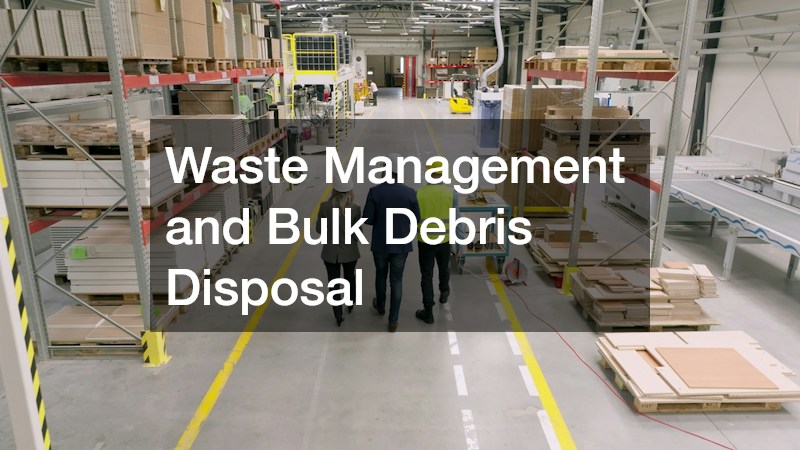
Managing ongoing waste streams and periodic clearance projects requires flexible disposal solutions. Standard trash collection rarely accounts for heavy scrap, bulk timber, packaging overhaul, or office cleanouts. Combining localized container strategies with heavy-duty disposal options keeps workspaces clean and hazard-free.
Operations teams should place small dumpster rentals near assembly lines, maintenance shops, and administrative entry points for convenient daily refuse handling. Facility leads must establish segregated sorting stations for corrugated cardboard, stretch wrap, and scrap metals to maximize recycling efficiency and keep floor space clear. Supervisors must monitor trash compactor levels continuously to prevent overflow, scheduling prompt vendor pickups before peak processing days.
During major site adjustments, managers should position a roll off container in exterior staging yards during machinery overhauls, site renovations, or seasonal clearing projects. Site supervisors need to enforce clear site guidelines on non-permissible waste, such as hazardous chemicals, batteries, and electronic scrap, ensuring workers dispose of regulated materials correctly. Keeping waste container perimeters clean deters pests, maintains clear access for heavy haul trucks, and prevents windblown debris across the facility grounds.
Heavy Lifting Equipment and Overhead Crane Maintenance

Industrial facilities depend on heavy lifting systems to move raw metals, machinery, structural sub-assemblies, and heavy containers. Because lifting equipment carries inherent safety risks, rigorous inspection and professional servicing are legally required and operationally vital.
Operations leaders must contract certified commercial crane services for mandatory annual structural and safety system certifications. Supervisors must enforce pre-shift operator checks covering wire ropes, chains, hooks, safety latches, and control pendants before any heavy lifting commences. Technical teams need to inspect runway tracks, stops, and electrification lines regularly for signs of physical wear, track misalignment, or electrical arcing.
Safety officers must ensure all lifting gear, slings, and rigging hardware carry visible weight-rating tags and remain completely free of frays or structural deformation. Management must verify current operator certifications and hold mandatory refresher training regarding load limits, rigging safety, and standard hand signals. Site administrators must document all maintenance logs, load test results, and repair records in an accessible central digital registry for regulatory review.
Warehouse Automation and Conveyor Network Upkeep
For high-throughput distribution hubs, conveyor networks serve as the central circulatory system. Unexpected belt failures or drive motor lockups can stall whole production floors, leading to severe supply chain delays.
Facility directors should establish ongoing maintenance contracts with reputable conveyor belt and system manufacturers for specialized component replacements, system upgrades, and sensor calibration. On-site technicians must regularly inspect drive belts, rollers, bearings, and pulleys for wear, misalignment, or excessive operational tension. Cleaning optical sensors, scanners, and automated diverters daily maintains high sorting accuracy and prevents package jams along the main sorter line.
Maintenance engineers must check motor oil levels and gearboxes routinely for thermal distress or fluid leaks. Vacuuming and blowing out dust accumulations near motor housing units prevents thermal buildup and premature component burnout. Additionally, the parts department should maintain a dedicated inventory of high-wear spare parts, including drive belts, rollers, limit switches, and electrical fuses, ensuring immediate repair capabilities.
Yard Operations and Transport Fleet Maintenance
Smooth yard operations depend on the mechanical integrity of trailers, shunters, and support vehicles. Transport assets operating on-site or over the road undergo significant stress and require consistent maintenance to prevent accidents and delays.
Fleet leads must mandate daily pre-trip checks on brake lines, air hoses, glad hands, and electrical pigtails for all trailing equipment. Fleet managers should outsource complex structural welding, axle alignments, and full brake replacements to certified experts in trailer repairs. Technicians need to inspect landing gear legs, crossmembers, and floorboards regularly for cracks, rust, or stress fractures. Operations staff must also ensure door hinges, latches, and weather seals prevent water entry during transit.
Equipment managers must inspect yard tractors, forklifts, and utility carts daily for tire pressure, fluid leaks, and brake responsiveness. Mechanics must verify functional safety lights, backup alarms, and horns on all mobile yard units before releasing them for shift work. Yard marshals must maintain clear yard lanes, visible speed limit signage, and designated pedestrian walkways to prevent vehicle and pedestrian collisions.
On-Site Fueling and Fleet Energy Supply
Uninterrupted fleet operation requires a reliable fuel supply. Whether powering diesel shunt trucks, backup generators, or transport units, managing fuel supply reduces off-site trips and keeps equipment productive.
Procurement officers must establish a contract with a reliable fuel delivery service for scheduled replenishment of site storage tanks and mobile fueling units. Site engineers need to monitor fuel quality continuously, using anti-gelling additives in colder months and biocide treatments to prevent bacterial growth in fuel tanks. Maintenance personnel must inspect fuel dispenser pumps, hoses, nozzles, and emergency shutoff valves weekly for physical leaks or mechanical failure.
EHS managers must ensure all above-ground storage tanks feature double-walled containment and functional spill protection basins. Facilities must keep emergency spill response kits, including absorbent pads, containment booms, and neutralizers, fully stocked near all fueling stations. Management must post clear safety and fire warning signage around fueling points and strictly enforce no-smoking policies across the yard.
Data Security and Physical Document Destruction
Facilities handle high volumes of sensitive paper records, including shipping manifests, client invoices, personnel files, and proprietary product schematics. Discarding these documents in standard trash channels creates privacy risks and exposes businesses to data theft.
Administrative officers should position locked console bins throughout offices, shipping desks, and control rooms for confidential paper disposal. Management must establish clear corporate policies defining which documents require shredding versus standard recycling. Department heads should mandate periodic cleanouts of archived files, legal paperwork, and historical operational logs to limit unnecessary document retention.
Facility directors should engage a certified secure shredding company to execute regular on-site shredding visits complete with documented chain-of-custody tracking. Administrative staff must collect Certificates of Destruction following each shredding cycle to satisfy compliance audits and internal records. Furthermore, IT managers must ensure electronic storage media, hard drives, and old scanning devices are physically destroyed alongside paper records.
Supply Chain Alignment and Logistics Partner Management

A facility is part of a broader commercial network. Ensuring operational alignment with external partners keeps inventory flowing and prevents yard congestion.
Logistics planners must maintain daily communication with their primary supply chain company to align dock scheduling with incoming freight volumes and outbound commitments. Dispatchers should utilize yard management software to monitor trailer dwell times, avoiding detention fees and dock overcrowding. Facility leads should share facility maintenance calendars with transportation partners to minimize service interruptions during major infrastructure updates.
Warehouse managers should implement structured appointment windows for inbound and outbound shipments to avoid yard queues and gate bottlenecks. Safety supervisors need to conduct joint safety walkthroughs with third-party carrier representatives to ensure site safety rules are clear and consistently followed. Management should review vendor performance metrics quarterly to identify operational bottlenecks in loading, staging, or document handoffs.
Facility Emergency Preparedness and Contingency Planning
Even well-maintained facilities face unpredictable events like severe weather, sudden equipment failure, utility outages, or supply disruptions. Integrating contingency measures into daily maintenance routines ensures business continuity during unexpected events.
Site engineers must conduct monthly test runs of backup diesel generators under operational load conditions to confirm automatic transfer functionality. Facility leads need to maintain a short-term reserve of generator fuel on-site, backed by priority bulk delivery agreements with local vendors. Electricians must inspect emergency illumination systems, exit sign batteries, and central power distribution panels monthly to ensure compliance and worker safety during outages.
Grounds crews must clear roof drains, scuppers, and catch basins before major storm events to prevent structural overloading and localized site flooding. Yard supervisors need to secure outdoor inventory, loose pallets, empty packaging materials, and temporary trash bins when high winds are expected. Facilities teams must keep seasonal supplies, such as rock salt, snow removal gear, or flood barriers, fully inspected and accessible ahead of seasonal weather shifts.
Administrative teams must maintain an up-to-date emergency contact directory containing primary and secondary vendor contacts for all critical site services. Maintenance leads must establish manual override procedures for automated conveyor lines, overhead doors, and security gates in the event of total power loss. Cross-training internal staff on emergency shutoff valve locations for water, gas, electrical main breakers, and fuel lines prevents secondary property damage during acute emergencies.
Building a Culture of Maintenance Excellence
Industrial facility maintenance requires careful coordination across physical infrastructure, heavy equipment, and third-party vendor operations. By maintaining strict oversight over site repairs, waste streams, and transport fleet logistics, property managers can eliminate operational bottlenecks and protect site safety. Establishing routine checklists across all critical utility, material handling, and security systems ensures high daily uptime and long-term business continuity.
A facility maintenance program is only as effective as the personnel executing it. Operational checklists provide structured guidance, but sustaining high operational uptime requires building a proactive culture across all shifts.
Management should encourage equipment operators, dock workers, and drivers to report minor equipment anomalies immediately through a digital maintenance portal or reporting app. Supervisors can establish simple visual management tools, such as tag-out boards and status lights, so workers can instantly identify damaged assets or offline bays. Leaders should actively recognize team members who catch potential mechanical failures or safety hazards before they cause injuries or downtime.
Procurement leads should conduct annual performance reviews with all service partners to evaluate response times, invoice accuracy, and service quality. Compliance officers must ensure all third-party contractors submit valid certificates of insurance and safety training records before performing on-site work. Finally, plant managers must maintain open communication with vendors, sharing upcoming expansion plans or seasonal volume surges so service partners can allocate necessary resources well in advance. By following this comprehensive checklist, maintaining structured vendor relationships, and encouraging proactive frontline reporting, industrial facilities can minimize unexpected downtime, safeguard personnel, protect physical assets, and maintain an efficient, highly reliable supply chain.